
Heavy Smoke Is Impacting Western Colorado Right Now
In 2025, Western Colorado endured several weeks of wildfire smoke thanks to the Turner Gulch Fire near Gateway (31,695 acres), the Deer Creek Fire in Utah (17,724 acres), and the Lee Fire (138,844 acres) near Meeker. We had the Bucktail Fire in Montrose County and the fire at the South Rim of the Black Canyon National Park. It felt like enough smoke to last a lifetime.
It’s 2026, and the Western Slope made it into the second half of June before the Grand Valley filled with smoke yet again. Will this summer be another extended period of smoke and ash due to wildfires? It already seems likely.

Smoke Is Already Affecting Western Colorado
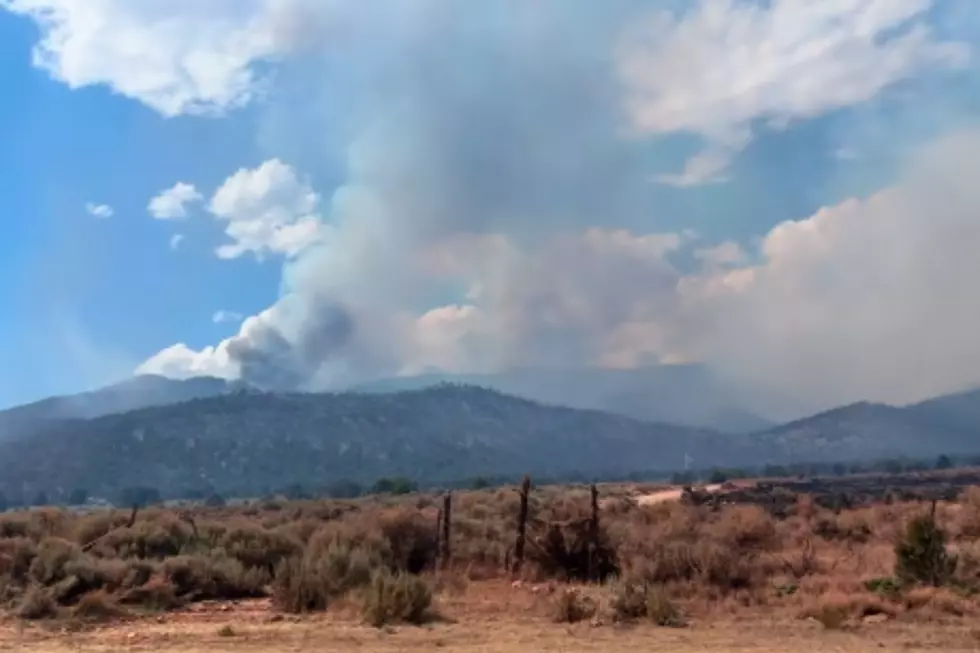
Read More: 31,000-Acre Utah Fire Smothers Western Colorado Skies
Smoke started rolling over the Colorado Plateau from Utah the week of June 22. The majority of it comes from two large wildfires burning in Utah with very little containment. The Iron Fire is located north of Eureka, Utah. This human-caused fire has burned into Juab, Utah, and Tooele counties, producing heavy, dense smoke. The larger fire is the Cottonwood Fire: Burning in Beaver County, Utah (near the Cottonwood Campground in Fishlake National Forest), this blaze has rapidly expanded to over 30,000 acres with zero containment.
Why Smoke May Become a Bigger Problem Than the Fires
On the Colorado side of the state line, the Western Slope has already contained the Reeder Mesa Fire near Whitewater, the Redlands Mesa Fire near Hotchkiss, the South Shale Fire in the Bookcliffs, the Beehive Canyon Fire in Montrose County, and we are currently fighting the Dry Creek Fire south of Rifle. This is only the beginning of wildfire season. Smoke has already become a daily concern across portions of Western Colorado, with air quality alerts issued for several counties during the earliest days of summer.
What Happens Over the Next Two Weeks?
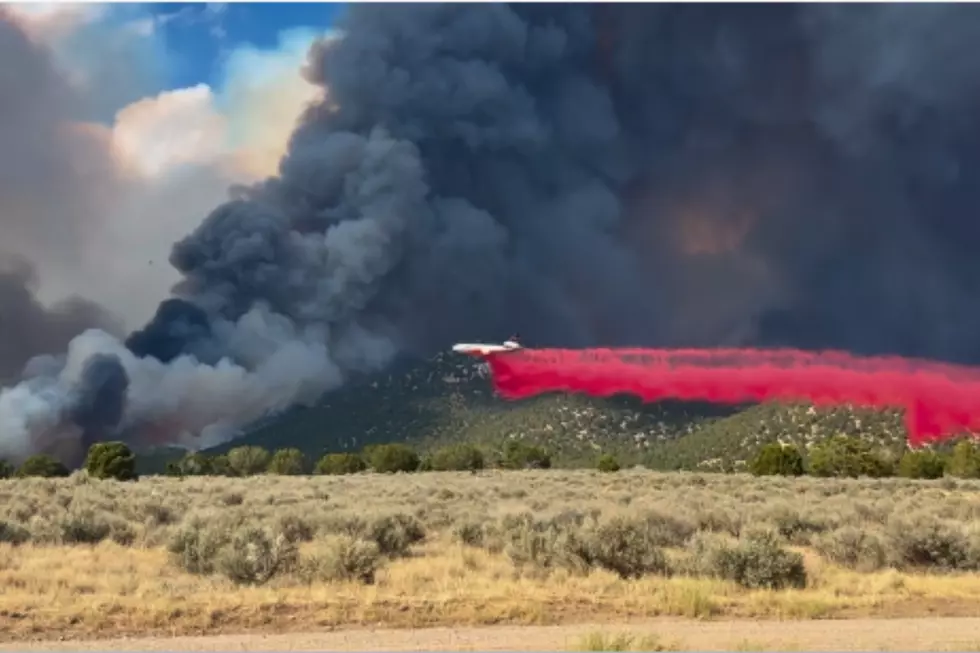
Read More: Evacuation Alert: Structure Fire Active on Reeder Mesa Road
Fire managers are watching wind patterns and the pace of monsoon moisture, as strong southwest winds can carry smoke hundreds of miles while dry conditions increase the risk of new fire starts. Fires in Nevada, Wyoming, and Idaho mean Colorado is not alone in the struggle. Fire managers are watching wind patterns, hoping that summer monsoon moisture will reduce the risk of new fires in the months ahead. A stronger monsoon pattern could help reduce fire danger, while continued heat and wind could keep smoke concerns elevated.
LOOK: Colorado Wildfire Damage by Year, Number of Fires + Acres Burned
Gallery Credit: Tim Gray
NEXT: 11 Colorado National Forests That Will Blow Your Mind
Gallery Credit: Wesley Adams
Colorado Mountain Lions: 10 Counties With The Most Activity
Gallery Credit: Wesley Adams
More From 99.9 KEKB - Grand Junction's Favorite Country