
5 Easy Ways to Save Water Right Now in Western Colorado
Long before the first day of winter, Colorado has been worried about the 2026 snowpack. On the Western Slope, local water systems like the Ute Water Conservancy District rely on snowmelt from the Grand Mesa.
Current snowpack levels are below normal, which could result in less runoff into our rivers, reservoirs, and your faucet later this year. This is why saving water at home with small changes now matters more than ever for Coloradans who want to protect the local water supply. Here are five easy ways to save water in Western Colorado.
Why Water Conservation Matters Here

Read More: Urgent Snowpack Alert: Colorado Winter Starts In The Red
Western Colorado’s household water ultimately still comes from mountain snowmelt. Things are not looking good as we near the end of January in 2026. Less snow means less runoff to our reservoirs and rivers that feed local treatment plants. While winter storms may improve conditions, forecasts already indicate reduced streamflow, so conserving water now will help us make the most of every drop and delay strain on storage resources later in the year.
5 Easy Water-Saving Tips for Western Colorado Homes
- Fix leaks promptly: A leaky faucet or toilet can waste dozens of gallons every day — catch and repair them fast to save water instantly.
- Shorten showers & shut off taps: Cutting shower time just a few minutes and turning water off while brushing can save dozens of gallons weekly.
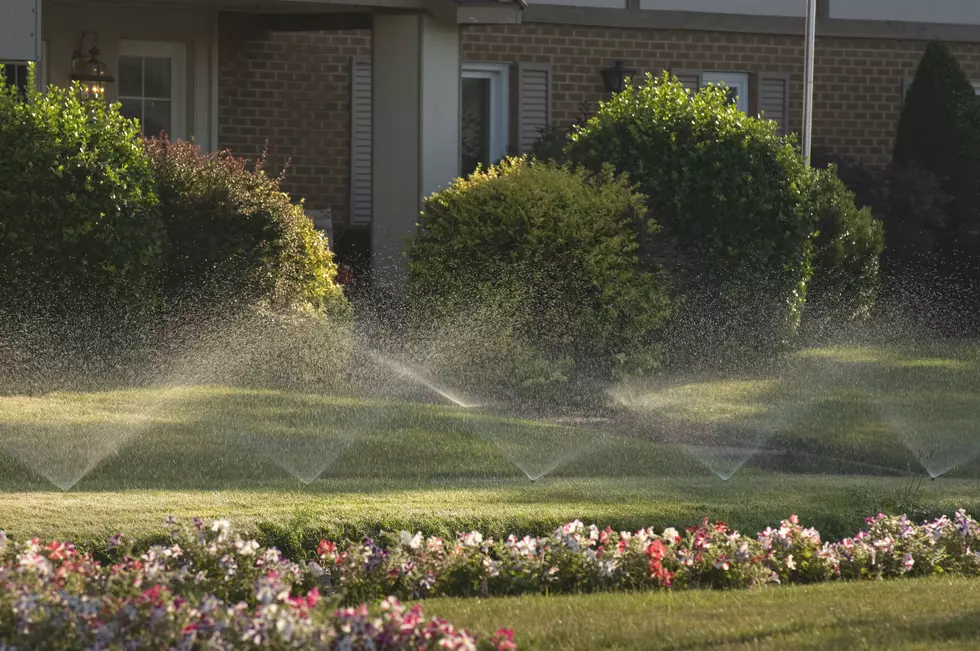
- Water smart outside: Water plants in the cooler early morning or evening when evaporation is lowest, and only water when the soil is dry.
- Upgrade fixtures: Low-flow showerheads and high-efficiency toilets are inexpensive swaps that use significantly less water over time.
- Full loads only: Run dishwashers and washers only when full — it uses far less water per item washed than partial loads.
Quick Wins & Long-Term Impact
These simple steps, such as tightening a leaky faucet or cutting your shower time by 5 minutes, are quick wins you can start today that have an immediate impact. Over the long term, efficient fixtures and smart outdoor water habits add up to meaningful savings that take pressure off local water resources when snowpack levels are low. Water conservation on the Western Slope is not about restriction; it is about making sure water lasts when we need it most.
Read More: Colorado's Looming Water Crisis: Will We Have Enough by 2050?


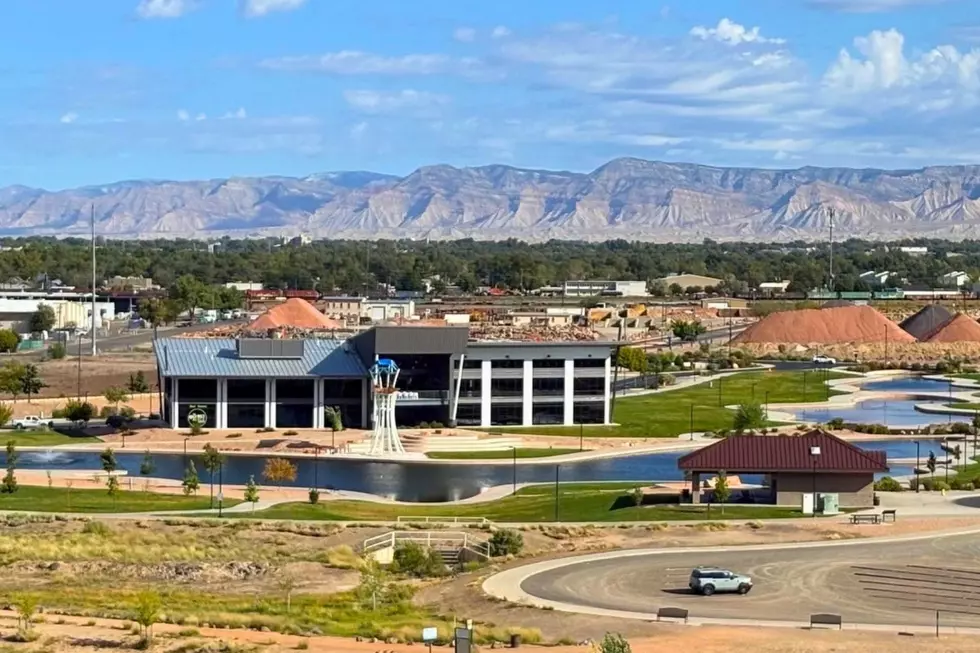
LOOK: Should Grand Junction, Colorado Have Kept the Water Features?
Gallery Credit: Wesley Adams
MORE: Astronomy Events Visible From Colorado in 2026
Gallery Credit: Waylon Jordan
KEEP GOING: Grand Junction, Colorado's Oldest Restaurants
Gallery Credit: Wesley Adams
More From 99.9 KEKB - Grand Junction's Favorite Country