
What Really Happens To The Colorado River When It Freezes?
Sometimes Western Colorado’s overnight lows dip below freezing in January, and sometimes they can dip all the way down to single digits. When this happens, it’s not unusual to see frost or ice along the banks of the Colorado River.
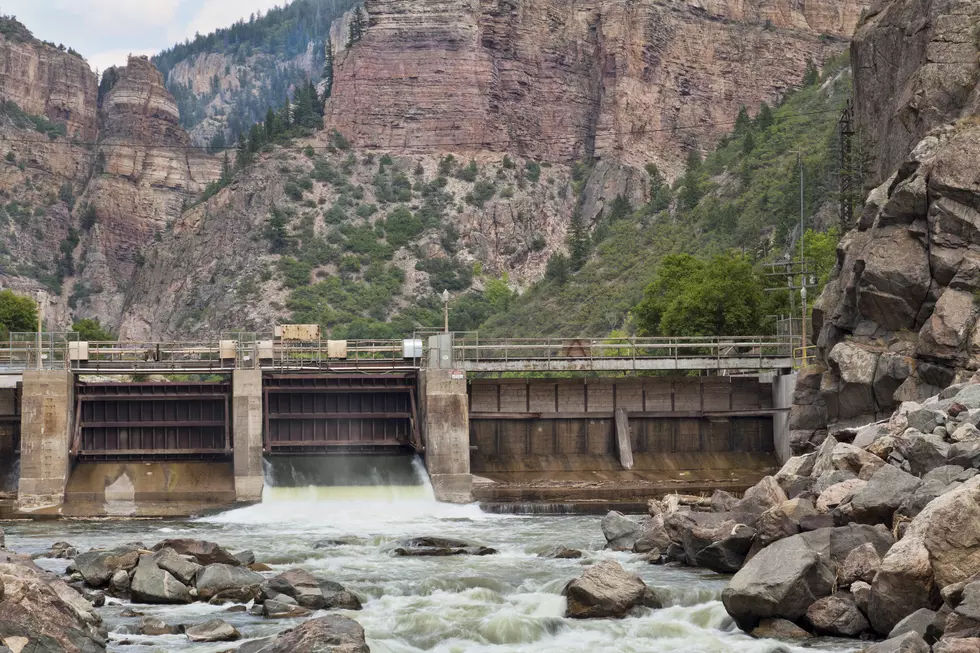
Even when temperatures dip below freezing, the Colorado River doesn’t always behave the way people expect. From Grand Junction to Glenwood Springs, the National Weather Service and the U.S. Geological Survey say water density, heat, and movement work together to keep the Colorado River alive and flowing during the coldest months of the year.
Why Rivers Don’t Freeze Like Lakes (But Still Feel Frozen)

Read More: 5 Weird Facts About the Colorado River You Missed
Flow, density, and constant movement are the three reasons why the Colorado River resists freezing during the winter months. Moving water is constantly mixing warmer, denser water from below with the colder surface water. This circulation delays the freezing. Steady winter flows on the Colorado River prevent ice flows, especially in deeper channels. The speed of the river matters as well, with the fast-moving sections near Grand Junction staying open longer than slower eddies and backwaters, which often freeze along the edges.
What Physically Happens When Temps Drop Below Freezing

When temperatures linger below freezing in Western Colorado, rivers begin to create fragile ice crystals that form in supercooled water. These crystals become slush and attach to the riverbed as anchor ice. Crystals can also form ice on the water's surface.
Sometimes surface ice piles up and creates ice jams, which temporarily block the river flow, raising upstream water levels before releasing at a moment's notice. Despite surface ice formations, the water below the surface remains liquid, thanks to insulation and geothermal heat.
The Three Most Important Things to Know
The three main things to keep in mind about the Colorado River during the coldest months of the year are that rivers on the Western Slope rarely freeze solid. Flow almost always continues under the ice.
Second, ice affects how the river flows, influencing water levels, erosion, and impacting winter flood risks. Third, aquatic life adapts to deeper, slower water where the temperature is more stable. Wildlife relies on open channels to access water through the winter. Thanks to the science that keeps the river flowing, the Colorado River ecosystem can stay strong even during the coldest months of the year.
Read More: Discover Why Locals Call One Colorado Destination the River City


SCROLL ON: All the Fun Winter Activities You Can Enjoy in Colorado
WARM UP: 26 Colorado Hot Springs to Warm Your Bones
MORE WINTER: Here Are 16 of Colorado's Most Favorite Things About Winter
Gallery Credit: Wesley Adams
More From 99.9 KEKB - Grand Junction's Favorite Country