
Why The Colorado River Is Brown—and Why It’s Totally Normal
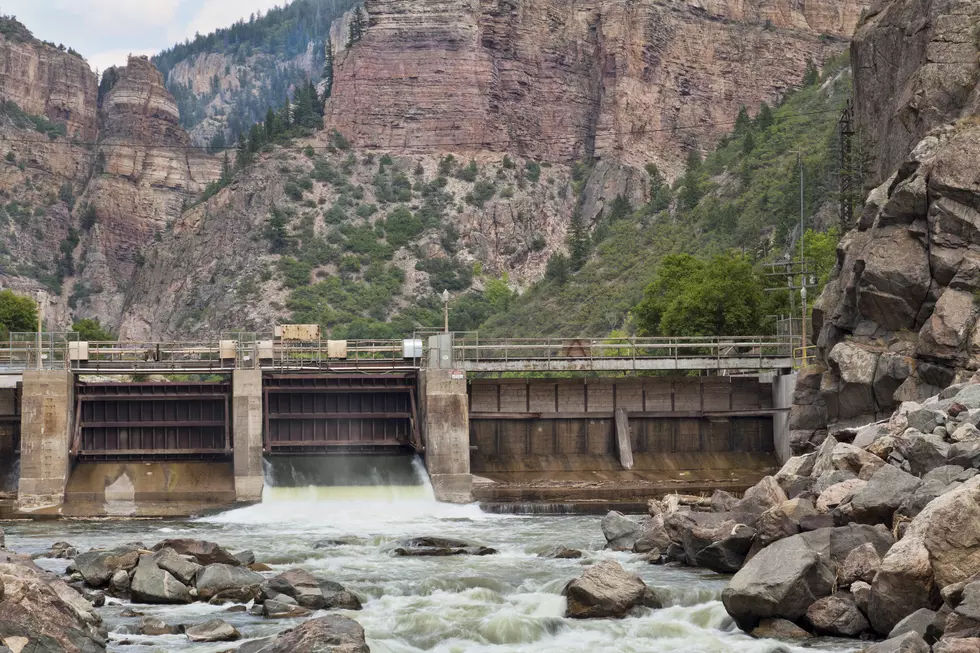
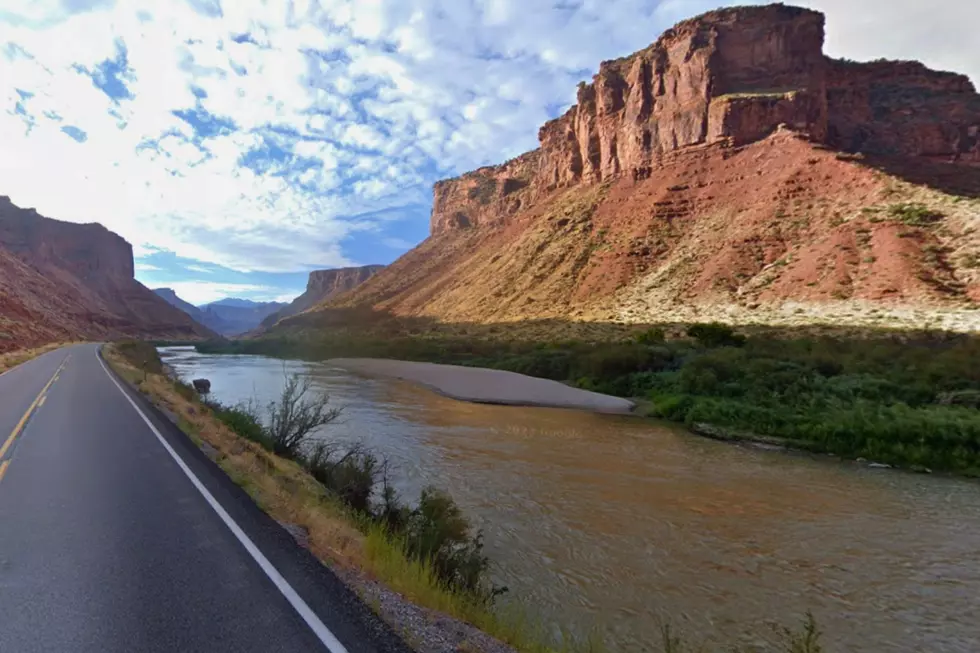
A lot of people in Grand Junction wonder about the Colorado River. From where it meets the Gunnison to its winding path through Horsethief Canyon in Fruita, many are surprised to see that the Colorado isn’t a clear, blue mountain stream. Instead, it’s brown.
The color is natural, not a sign of pollution, and it makes sense once you know what causes it. So, why is the Colorado River brown by the time it gets to Grand Junction? Let’s take a closer look.
Why Does the Colorado River Look Brown?
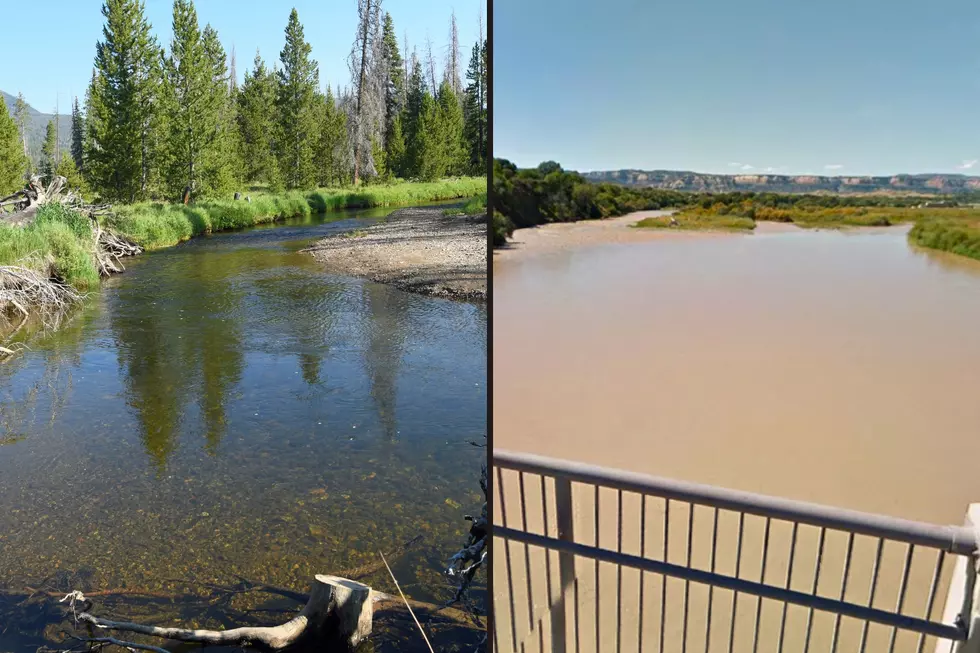
The headwaters of the Colorado River near the La Poudre Pass are incredibly clear. The USGS Colorado River Sediment Studies say the color comes from high levels of sediment (silt, clay, sand), carried to the river by erosion and runoff. The snowmelt season and monsoon rains bring about 80 to 100 million tons of sediment to the Colorado River each year.
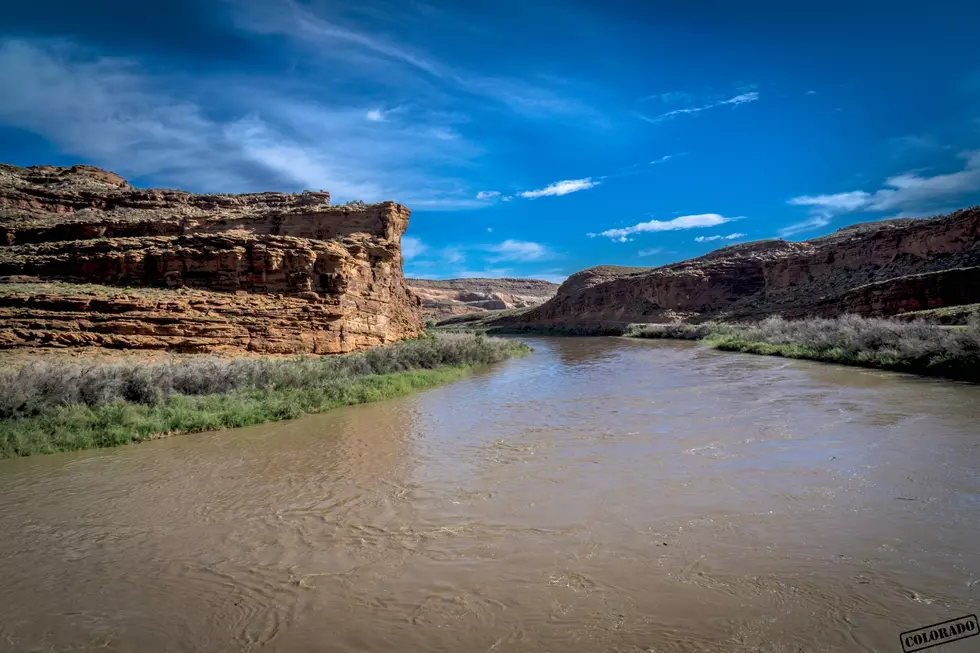
As the Colorado River leaves the Rocky Mountains and heads toward the Grand Canyon, it flows through soft sandstone and shale that easily erode. Tributaries like the Gunnison and Paria Rivers can add even more sediment after storms. Human activity, like ranching or the aftermath of wildfires, can also increase sediment in the water. During monsoon season, dirt, ash, and rocks can wash into the river in just a few hours.
Does the Brown Water Mean Pollution?

Sediment is not the same thing as pollution. While there may be contaminants in the river at times, the brown color is natural soil and not something toxic. Some rivers that pass through the mountains and onto the Western Slope appear yellow from iron and mineral deposits, like the Uncompahgre River.
Grand Junction residents watch the color change a bit from season to season. The river appears the clearest during the winter. Lower flows mean less sediment. The spring snowmelt and runoff increase it, and the summer monsoons make it worse, as flash flooding can add silt quickly.
Read More: What To Know About Grand Junction's Riverfront Zip Line
Can You Still Swim or Fish in the Colorado River?
Is the Colorado River safe for swimming? Usually, yes. Check bacteria levels first at waterqualitydata.us. Does it ever turn blue? The river can look blue in alpine areas when sediment levels are low. Can sediment affect rafting or fishing? Heavy sediment affects visibility for rafting and fishing and can leave extra sand in your gear.
By the time it reaches Grand Junction, the river’s color tells the story of its journey through mountains and red rock canyons. Great places to see the Colorado include Las Colonias Park, Blue Heron Boat Ramp, and James M. Robb State Park.
MORE: 12 Facts You May Not Know About Colorado’s San Miguel River
Gallery Credit: Wesley Adams
KEEP GOING: What is the Longest River in Colorado?
Gallery Credit: Wes Adams
NEXT: 13 Cool Facts About Western Colorado's Dolores River
Gallery Credit: Wesley Adams
More From 99.9 KEKB - Grand Junction's Favorite Country