
Colorado Still Feels the Pine Gulch Fire 5 Years Later
There is a reason that summer thunderstorms make Western Colorado nervous. Just five years ago, a lightning strike north of Grand Junction sparked one of the most devastating wildfires in state history.
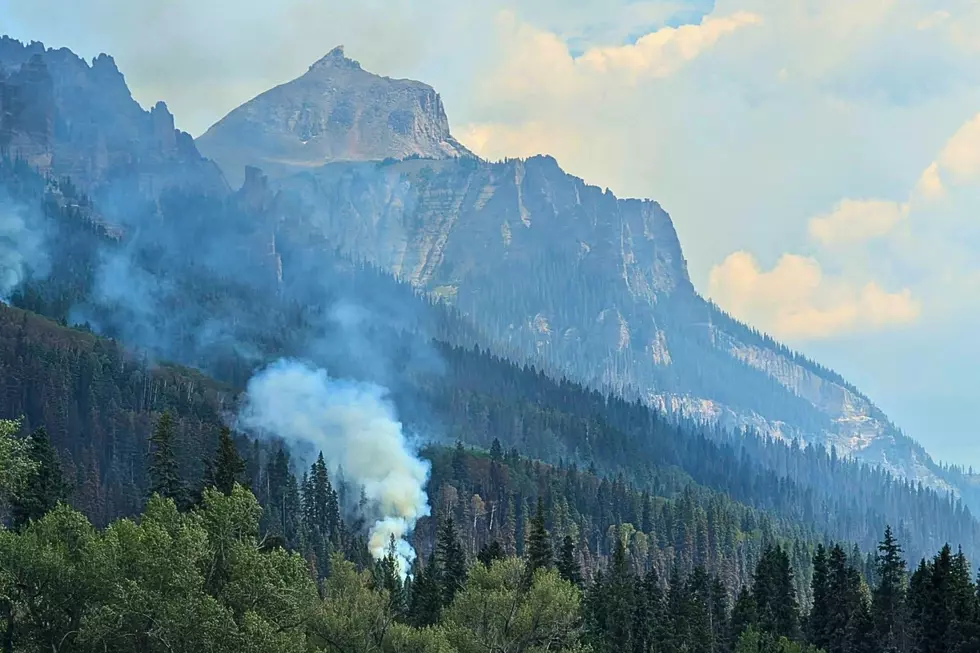
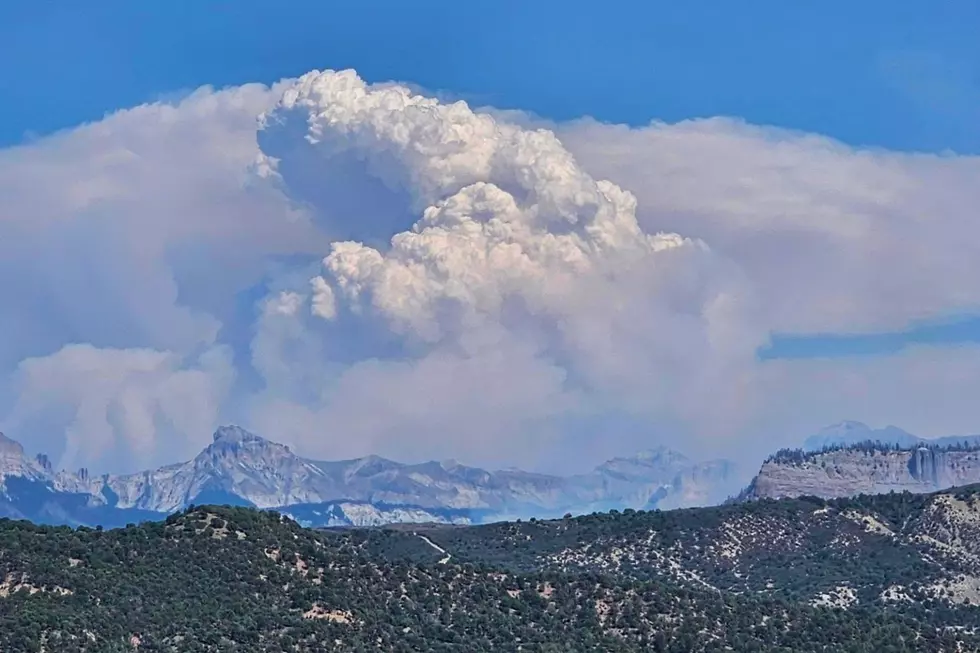
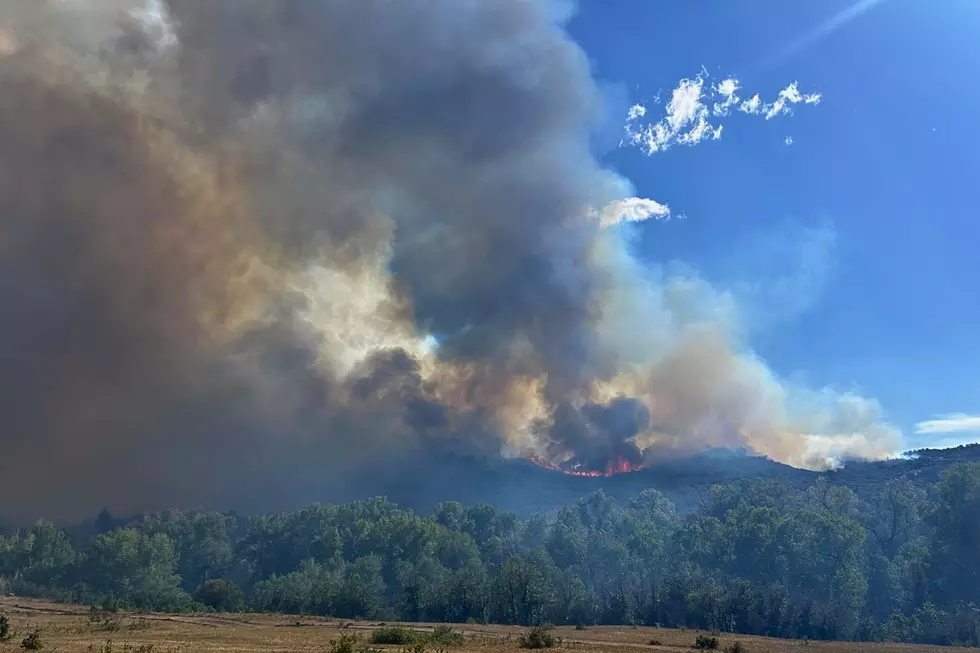
The Pine Gulch Fire grew into a massive blaze burning more than 139,000 acres, and reshaping how locals think about wildfire season. Keep scrolling as we look back at the photos we received from our audience during the blaze, and how Mesa County is doing as we approach the fifth anniversary of the fire.
LOOK: All of the Pictures of the Pine Gulch Fire You Sent Us In 2020

What Was the Pine Gulch Fire? Quick Facts to Know

Read More: What To Know About Colorado's 2026 Wildfire Preparedness Plans
The Pine Gulch Fire started on July 31, 2020, when a lightning strike sparked a fire about 18 miles north of Grand Junction. Severe drought, heat, and wind helped the fire to burn 139,007 acres before crews achieved full containment on September 23. For a short time, it was Colorado’s largest wildfire until the Cameron Peak fire started in Larimer County just a few weeks later. Despite the size of the Pine Gulch Fire, Western Colorado was lucky enough to lose only one structure to the blaze.
How It Became a Record-Setter—and the Fight to Stop It
Conditions on the Western Slope in 2026 have remained much the same as in 2020, with low humidity, extreme heat, and rugged, inaccessible terrain just waiting for a lightning strike. During the Pine Gluch Fire, Western Colorado deployed over 900 firefighters to contain fire lines and protect infrastructure. Instead of attaching the fire head-on, aircraft, bulldozers, and coordinated ground crews played critical roles in slowing the spread.
Where It Ranks—and What the Land Looks Like Today

Read More: How To Protect Your Home From Colorado’s Wildfire Season
In nearly 5 years since the Pine Gulch Fire, it ranks third all-time behind the Cameron Peak Fire and East Troublesome fires, both also from 2020 – a historic and brutal year for wildfires in Colorado. Today, the burn scar remains visible across the Book Cliffs, with lots of uneven vegetation recovery and ongoing erosion risks still impacting the Western Slope. Looking at the landscape, it tells the story of destruction and slow renewal due to such a large fire.
UP NEXT: 11 Colorado National Forests That Will Blow Your Mind
Gallery Credit: Wesley Adams
KEEP GOING: Building A Campfire in Colorado? Six Steps You Must Take
Gallery Credit: Wesley Adams
More From 99.9 KEKB - Grand Junction's Favorite Country