
How Colorado National Monument Got Its Most Iconic Names
If I did not need to work for a living, I would beg for a job at the Colorado National Monument. I think it would just be the coolest place to call an office. It’s a landscape full of stories, and many of the names on maps tell surprising tales of geology and early explorers’ imaginations.
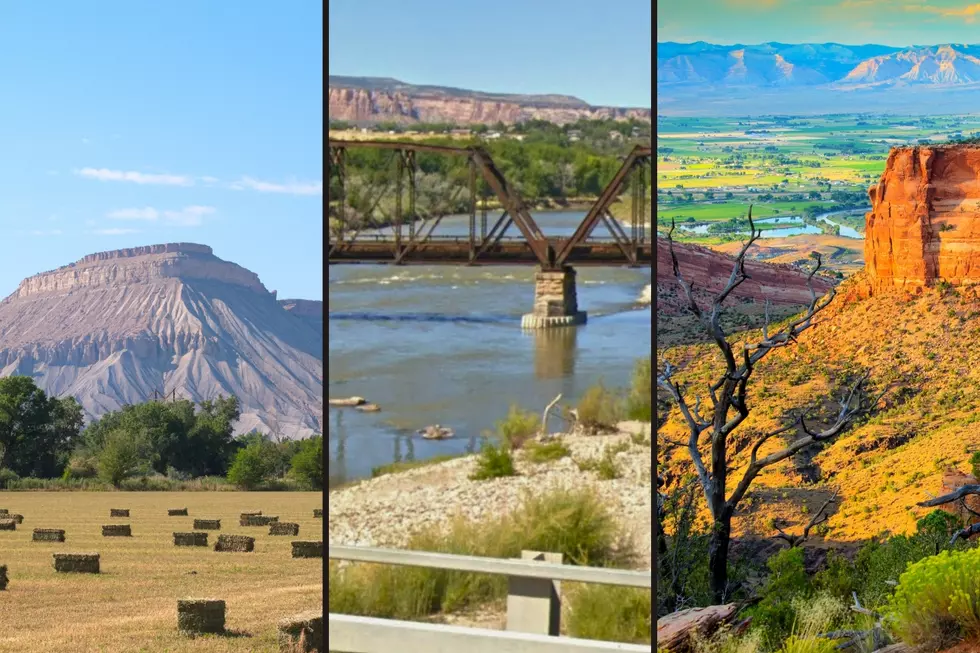
Keep scrolling for a look at some of the monument’s most popular rocks from Fruita to Grand Junction, and the stories that explain how many of them got their names.

The Real Stories Behind Colorado National Monument’s Famous Rocks
Gallery Credit: Wesley Adams
Meet the Man Behind the Names: John Otto
Read More: What Makes Colorado National Monument Unique—and Not a Park
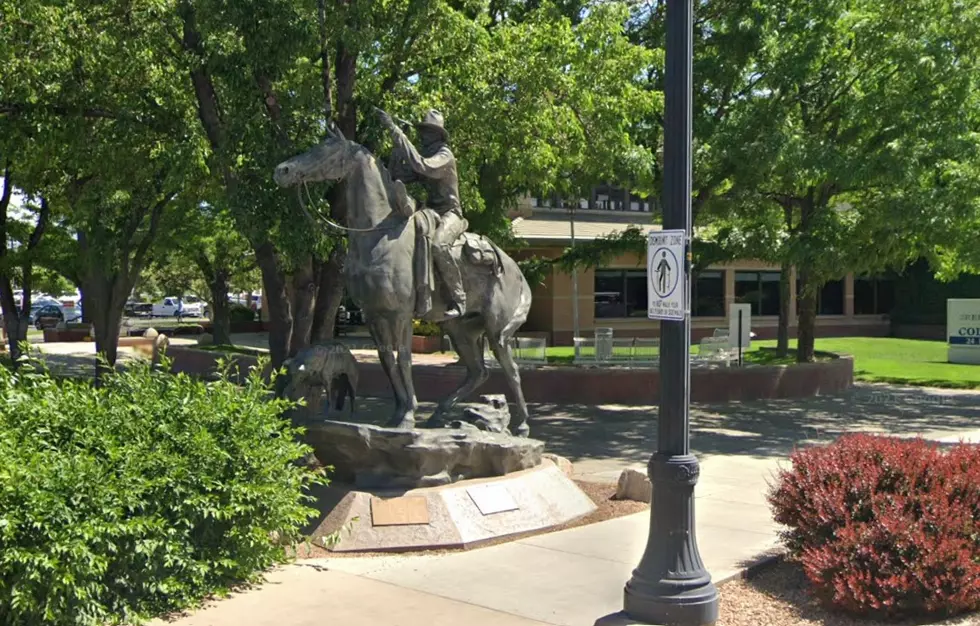
I wish there were a statue of John Otto inside the Colorado National Monument. Put one in the campground next to a campfire that always stays on. In all seriousness, Otto was the first superintendent and tireless promoter of the monument. Otto believed the park’s features should reflect American history and values over biblical or foreign references. He lived in its canyons, built trails by hand, and named many of the monument’s features that we have looked at in this article.
Trails and Roads with Their Own Stories

Read More: How Long Does It Take To Drive the Colorado National Monument?
The Colorado National Monument’s Rim Rock Drive is a scenic 23-mile route that shows multiple features from several overlooks high above the Grand Valley. Viewpoints include the popular features featured in this article, as well as Balanced Rock, Window Rock, Monument, and Wedding Canyons. Routes in the monument, like Rim Rock Drive, Serpent Trail, and Old Gordon’s Trail, all have stories as rich as the park’s features.
LOOK: 9 Surprising Secrets of the Colorado National Monument
Gallery Credit: Wesley Adams
NEXT UP: Where Are Colorado's Former National Monuments?
Gallery Credit: Wesley Adams
More From 99.9 KEKB - Grand Junction's Favorite Country