
A Bigger Colorado Fight Is Putting Little Book Cliffs in Focus
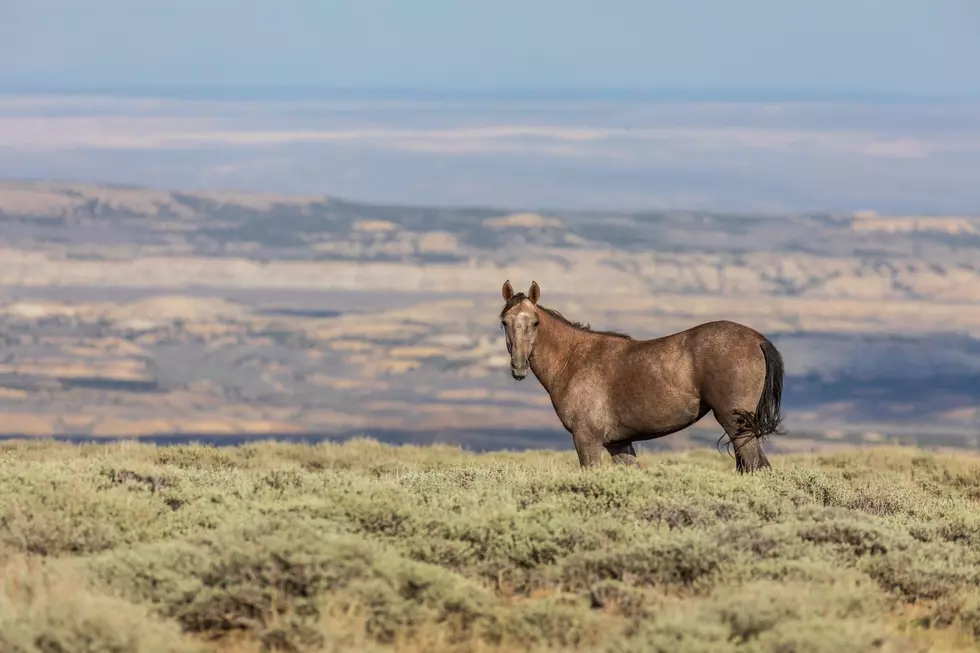
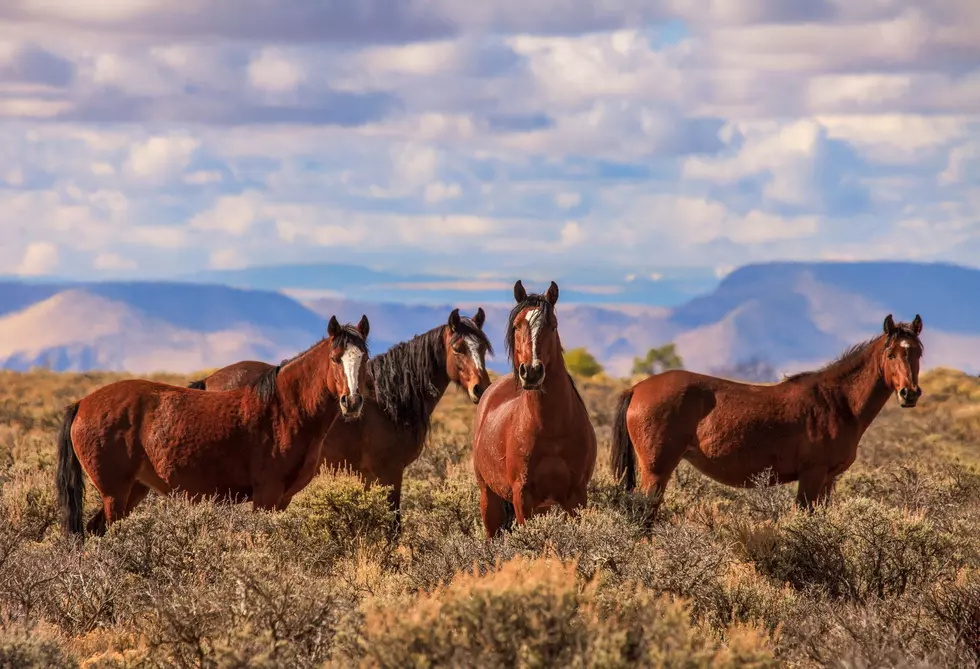
In Western Colorado, we hike with wild mustangs. Our Little Book Cliffs horses number nearly 120 to 130, living on nearly 40,000 acres.
These animals have put our state back in the national spotlight following a Bureau of Land Management report and a “New York Times investigation” into what happens when federally protected horses are removed from public lands.

Concerns Over Colorado's 2026 Helicopter Roundup
Read More: Colorado's Wild Horse Controversy Is Heating Up Quickly
According to the Bureau of Land Management, a 2026 helicopter roundup in the Piceance-East Douglas (southwest of Meeker) and West Douglas (southwest of Rangely near Douglas Pass) resulted in 894 horses being gathered and nine deaths. On Sept. 3, U.S. Rep. Joe Neguse and Gov. Jared Polis called for an immediate stop to the practice. The news of the horse fatalities followed an August report from the New York Times that looked into what happens to horses being rounded up from public lands. Find the report here. The NYT will charge you to read it.
Will the Piceance-East, West Douglas Gather Affect Little Book Cliffs Mustangs?
The Little Book Cliffs herd is small, local, and unusually well-known, but it's managed through the same federal Wild Horse and Burro Program now under fire. The BLM sets an Appropriate Management Level for the Little Book Cliffs horses at 90 to 150. The controversy could still have local consequences.
Future Little Book Cliffs gatherings, fertility-control efforts, adoptions, and removals could be affected if federal practices or public pressure change. Judy Lee Cady, a member of Friends of the Mustangs, told KKCO she believes helicopter roundups are still a safe option.
What Happens Next Could Reach Beyond the Little Book Cliffs
Read More: Fifth Colorado Wolf Lethally Removed in 2026
Communities like De Beque (a Wild Horse Sanctuary) and those near the Little Book Cliffs mustangs are proud of their role in caring for injured and adoptable horses. The Town of De Beque says its sanctuary designation dates to 2001 and that it works with the BLM and private organizations on local wild-horse issues. Whatever happens with Colorado's broader debate over federal wild-horse management could also impact our nearby horses.
MORE: 10 Facts about Western Colorado's Wild Horse Sanctuary City
Gallery Credit: Wesley Adams
NEXT: Historic Photos of Colorado Horse Races + More
Gallery Credit: Waylon Jordan
More From 99.9 KEKB - Grand Junction's Favorite Country