Something Unexpected Was Found in Colorado’s Blue Mesa Reservoir
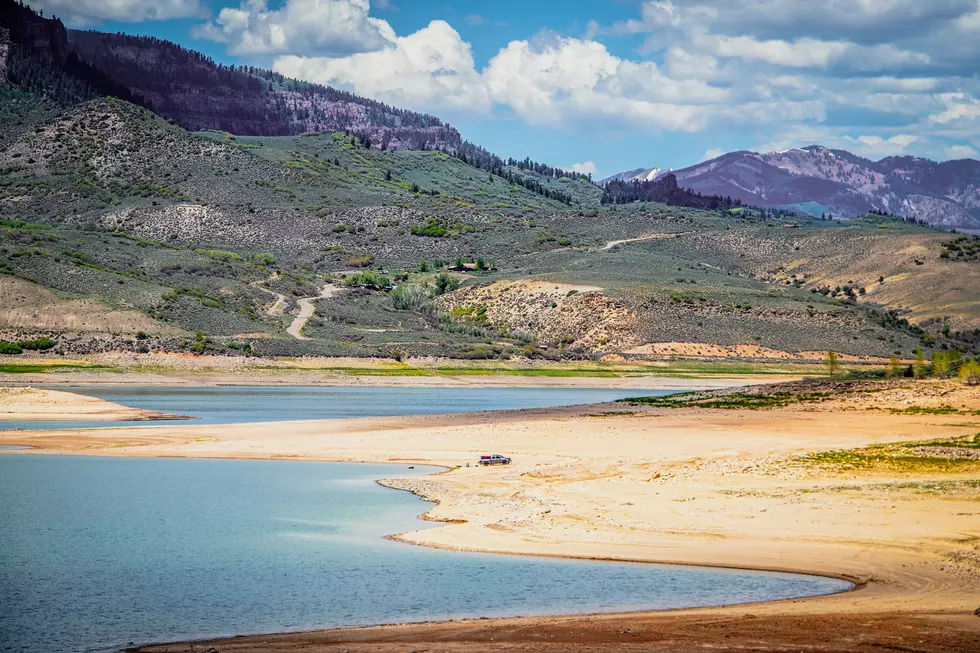
While water levels are at their lowest in years, Blue Mesa Reservoir remains open for boating and fishing, but something unusual is turning up in the water.
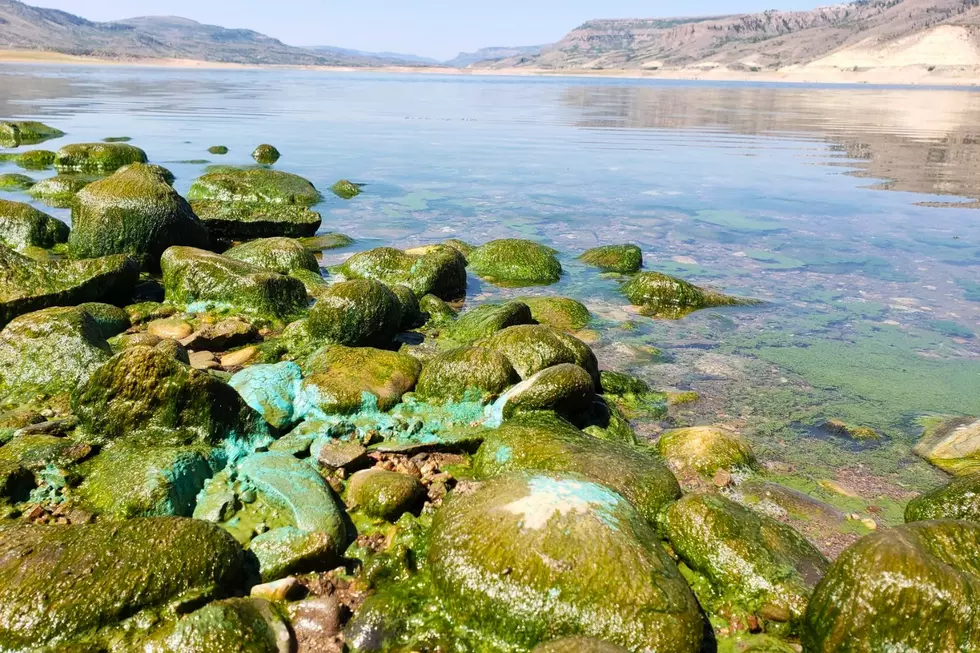
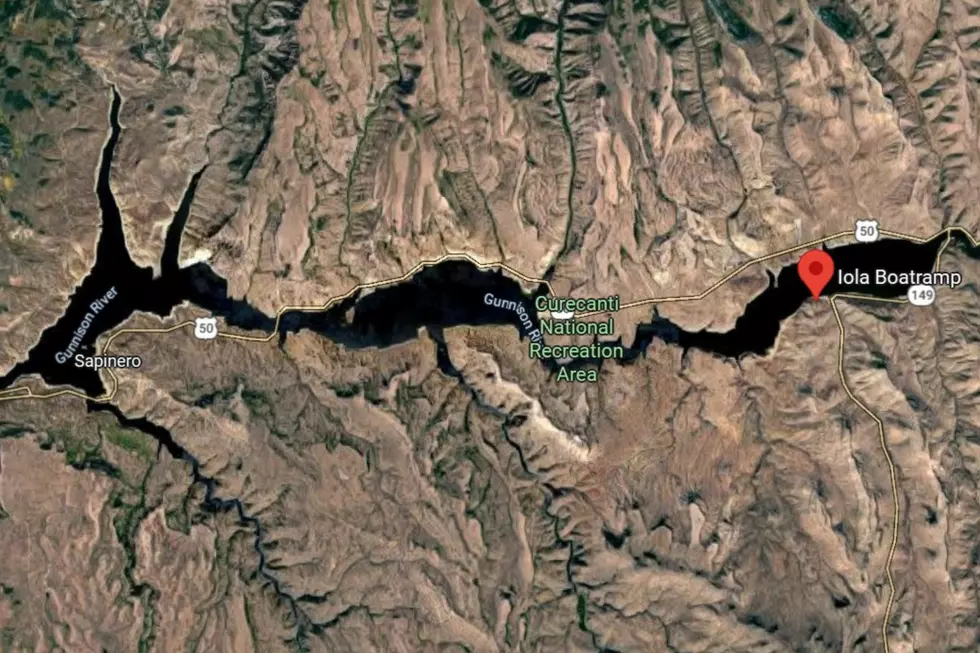
The National Park Service's testing of the water throughout Western Colorado's Blue Mesa Reservoir found toxic algae in the Iola Basin. Yellow caution signs have gone up over the last several days around the heavily used areas. Here’s what visitors need to know.

Where Is the Toxic Algae—and What Happens if You Touch It?
Read More: These Colorado Lakes Are Unsafe Due to Toxic Algae
The National Park Service has confirmed that toxic algae have returned to the Iola Basin of Blue Mesa Reservoir in August of 2026. Summer winds and currents can push the blooms around the reservoir, and that is why yellow signs have gone up around the far Eastern end of Blue Mesa, just West of the town of Gunnison.
What Exactly Is Toxic Algae?
“Toxic algae” is also called blue-green algae, but it is actually cyanobacteria. Some blooms produce cyanotoxins that can harm people and animals through skin contact and breathing in water drops, not just by swallowing. The National Park Service says current levels in Iola Basin are below Colorado's toxicity threshold, which is why the area has yellow caution signs rather than a closure.
This could change, so it’s a good idea to check conditions at Blue Mesa before heading toward the Iola Basin on the east end.
Why Does This Keep Happening in Iola Basin?
Read More: Colorado’s Largest Reservoir Just Lost Its Title
Boating and fishing remain open throughout Blue Mesa Reservoir. Not sure I would want to keep any fish from the Iola Basin at the moment, but there is no current warning against it. Visitors should stay away from visible algae, keep pets away, avoid drinking the water, and follow posted signs. The National Park Service says harmful algal blooms happen during low-water years, when warm, shallow water can encourage growth.
To check conditions at Blue Mesa Reservoir, you can view the interactive CDPHE Toxic Algae Map for color-coded status updates, check the National Park Service Curecanti Website or Curecanti Facebook Page for local safety advisories, and look for posted yellow caution or red warning signs at boat ramps and shorelines.
LOOK: 10 Cool Facts About Colorado’s Gunnison River
Gallery Credit: Wesley Adams
MORE: These are Colorado's Largest Lakes and Reservoirs
Gallery Credit: Wes Adams
UP NEXT: The Top 10 Most Misspelled Words in Colorado
Gallery Credit: Matt Sparx
More From 99.9 KEKB - Grand Junction's Favorite Country